

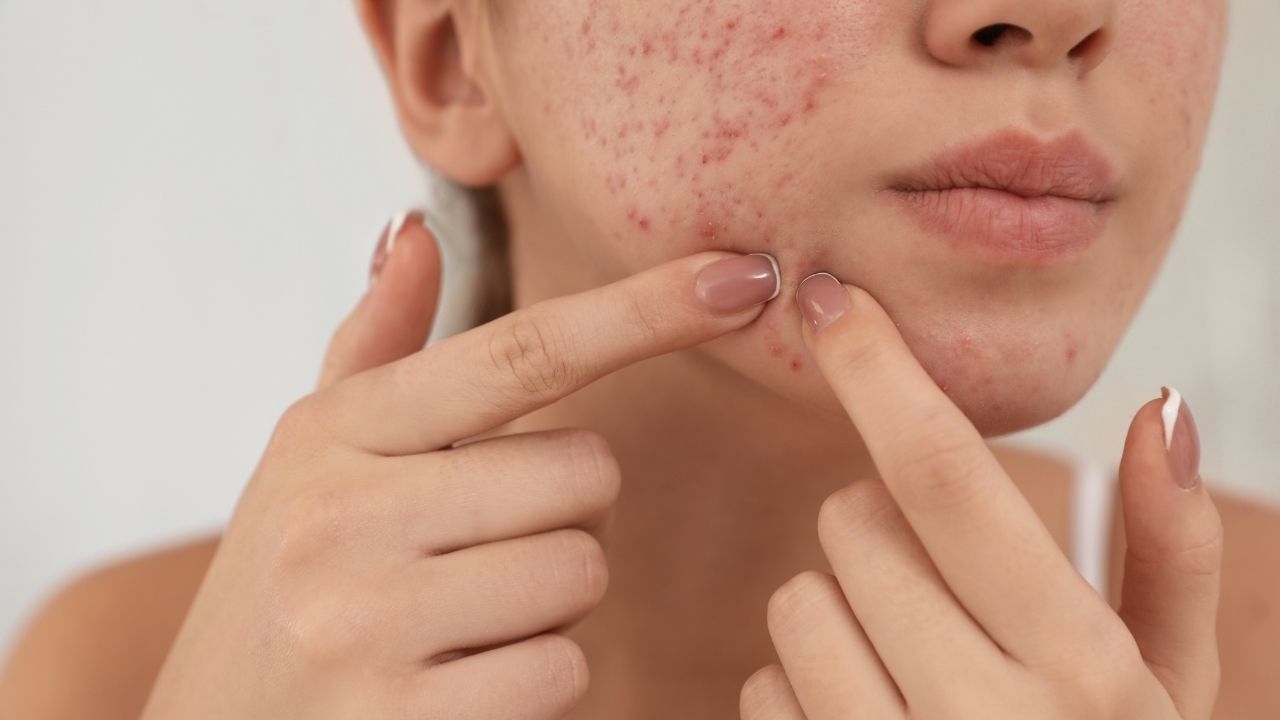
Hot and humid weather can be particularly challenging for your skin. Increased sweat, excess oil production, and clogged pores create the perfect environment for acne breakouts. If you’ve noticed your skin acting up during summer or in humid conditions, you’re not alone. The good news is—with the right approach, acne can be effectively managed and even prevented.
Why Acne Worsens in Hot and Humid Weather
Before jumping into treatment, it’s important to understand the root cause. In humid climates:
- Sebum production increases due to heat
- Sweat mixes with oil and dirt, clogging pores
- Bacteria thrive in moist conditions
- Frequent face touching and wiping can irritate skin
This combination leads to blackheads, whiteheads, and inflamed acne.
Step-by-Step Guide to Treat Acne
1. Cleanse Your Skin the Right Way
Cleansing is your first line of defense.
- Use a gentle, sulfate-free cleanser twice a day
- Look for ingredients like salicylic acid or tea tree oil
- Avoid over-washing, as it can strip natural oils and trigger more sebum production
A clean surface reduces the chances of clogged pores.
2. Switch to Lightweight Skincare
Heavy creams and oil-based products can worsen acne in humid weather.
- Opt for gel-based moisturizers
- Use non-comedogenic products (won’t clog pores)
- Avoid layering too many products
Your skin needs hydration, but in a breathable form.
3. Never Skip Sunscreen
Many people avoid sunscreen thinking it causes breakouts—but skipping it can worsen skin damage and inflammation.
- Choose a lightweight, oil-free sunscreen (SPF 30 or above)
- Prefer matte or gel-based formulas
- Reapply if you’re sweating or outdoors
Sun protection is essential, even for acne-prone skin.
4. Control Excess Oil
Managing oil is key to preventing acne.
- Use blotting papers instead of washing your face repeatedly
- Apply a niacinamide serum to regulate oil production
- Avoid harsh toners with alcohol
Balanced skin produces less acne.
5. Exfoliate—But Don’t Overdo It
Exfoliation helps remove dead skin cells that clog pores.
- Use chemical exfoliants like AHAs/BHAs 2–3 times a week
- Avoid harsh scrubs that can irritate the skin
- Over-exfoliation can worsen acne
Consistency matters more than frequency.
6. Keep Your Skin Sweat-Free
Sweat is one of the biggest triggers in humid weather.
- Wash your face after excessive sweating
- Avoid staying in sweaty clothes for long
- Use a clean towel or tissue to dab sweat gently
This reduces bacterial growth and pore blockage.
7. Watch Your Diet
What you eat reflects on your skin, especially during summer.
- Reduce oily, fried, and sugary foods
- Increase intake of fruits, vegetables, and water-rich foods
- Stay hydrated—drink at least 2–3 liters of water daily
A balanced diet supports clearer skin from within.
8. Avoid Touching Your Face
This is one of the most overlooked habits.
- Hands carry dirt and bacteria
- Frequent touching spreads acne-causing microbes
- Picking pimples can lead to scars and infections
Let your skin heal naturally.
9. Use Targeted Treatments
For active acne:
- Use spot treatments with benzoyl peroxide or salicylic acid
- Apply only on affected areas
- Avoid mixing too many active ingredients
Targeted care prevents further irritation.
10. When to See a Dermatologist
If your acne is:
- Persistent
- Painful or cystic
- Leaving marks or scars
It’s best to consult a professional. Early treatment prevents long-term damage.
Common Mistakes to Avoid
- Using too many products at once
- Skipping moisturizer thinking it will reduce oil
- Over-cleansing your face
- Ignoring sunscreen
- Trying DIY remedies without understanding your skin type
Simple mistakes can delay recovery.
Final Thoughts
Managing acne in hot and humid weather isn’t about using more products—it’s about using the right ones consistently. Focus on keeping your skin clean, balanced, and protected. Small changes in your daily routine can make a significant difference over time.
Healthy skin is not about quick fixes—it’s about understanding what your skin needs in different environments and responding accordingly.